
Executive vs Leadership Coaching

Introduction
I often meet leaders who tell me, “I’m not sure if I need executive coaching or leadership coaching—aren’t they the same thing?” That moment always sparks a great conversation, because while the two approaches share similarities, they serve very different purposes depending on where you are in your career and what challenges you’re facing.
What Is Executive Coaching?
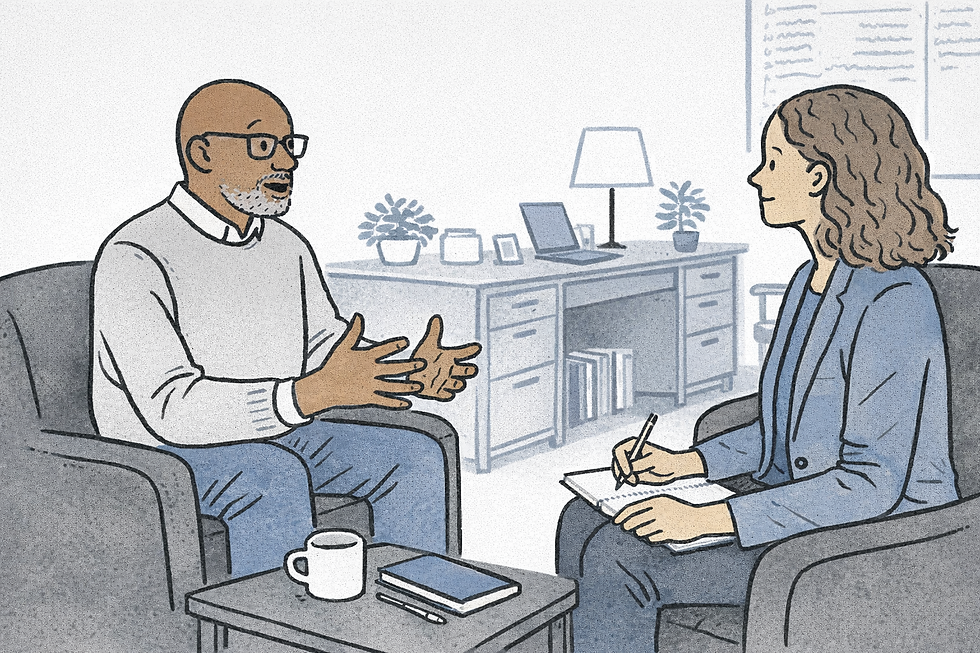
Executive coaching is a personalized process designed to help senior leaders—such as C‑suite executives and other top managers—improve their performance and decision-making. It focuses on the individual’s role within the organization and how they can lead more effectively at the highest levels. Coaching may cover areas like communication, strategic thinking, stress management, and influencing others. Executive coaching is typically conducted in one-on-one sessions.
What Is Leadership Coaching?
Leadership coaching is broader and applies to leaders at any level, from team leaders to middle managers to executives. It focuses on developing leadership skills that help individuals guide teams, manage projects, and inspire others. This type of coaching often includes building skills such as emotional intelligence, conflict resolution, team motivation, and decision-making. Leadership coaching can be delivered one-on-one or in group settings, depending on the needs.
Unique Goals of Executive Coaching and Leadership Coaching
Executive coaching aims to sharpen the skills needed to lead an entire organization or a large part of it.
Leadership coaching focuses on helping individuals become better leaders within their teams or departments.
Methodologies Used
Executive coaching often uses tailored assessments, 360-degree feedback, and deep reflection exercises. It challenges executives to think differently and push beyond their comfort zones.
Leadership coaching next to assessments uses practical exercises, role-playing, and feedback to build skills. It often includes training on specific leadership styles and techniques that can be applied immediately.
Key Differences
Focus: Executive coaching targets high-level strategic and personal challenges. Leadership coaching focuses on practical leadership skills and team management.
Audience: Executive coaching is for senior leaders. Leadership coaching suits leaders at all levels.
Approach: Executive coaching is highly personalized and reflective. Leadership coaching is skill-based and often includes group work.
Goals: Executive coaching aims to improve organizational impact. Leadership coaching aims to improve team and individual leadership.
Key Similarities
Both aim to improve leadership effectiveness.
Both use feedback and goal-setting.
Both require commitment and openness to the coaching.
Both increase self-awareness, and emotional intelligence.
Both can lead to better communication, decision-making, and influencing skills.
How to Decide Which Coaching Style Fits You
If you are a senior leader facing complex challenges or preparing for a major role, executive coaching may be the best fit.
If you want to build leadership skills to manage teams or prepare for leadership roles, leadership coaching could be more suitable.
For those unsure where to start, a short, no-pressure conversation can help clarify your needs. Book a 30‑minute free consultation with me to get a chance to discuss your situation, understand your challenges and goals, and outline clear next steps.
Final Thoughts
At the end of the day, I see coaching as a partnership—it’s about meeting you where you are and helping you grow into the leader you want to be. Whether that means strengthening your impact at the executive level or building confidence in leading a team, the coaching will support you in your journey.


Comments